Claude Code Leak: 7 Critical Lessons for Business
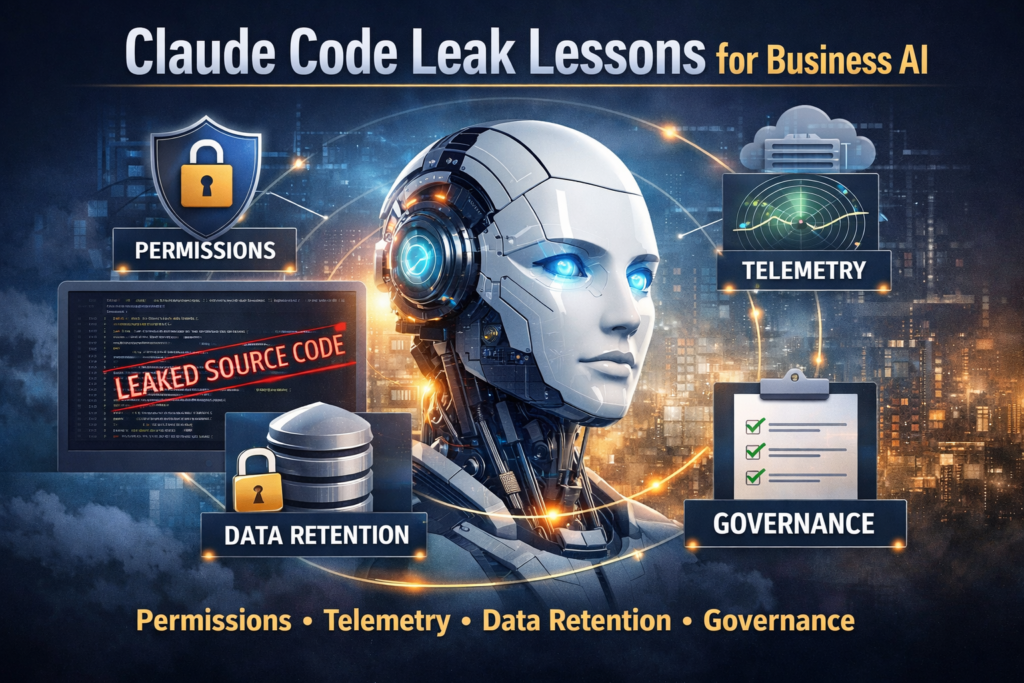
Claude Code leak lessons for business AI governance and operational risk

The Claude Code source leak was not a model-weights disaster. It was a revealing look at how real AI products work in production. For business leaders, the most important lessons are about permissions, telemetry, retention, governance, cost control, and operational maturity.

Read more

AI Token Costs: The Hidden Incentive Problem

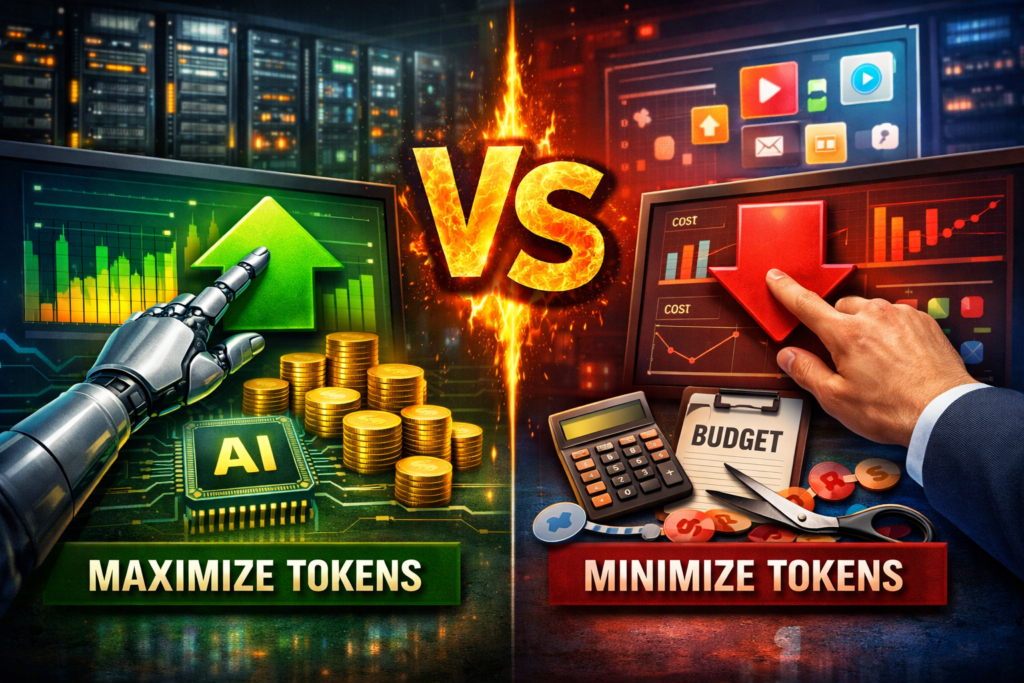
AI token costs dashboard showing token usage, context growth, and cost control decisions

AI token costs are not just a technical metric. They sit at the center of a real incentive mismatch. Most inference providers get paid when applications send and generate more tokens, while users usually benefit from fewer tokens, faster responses, and lower bills. This guide explains where that mismatch shows up and how to control it.

Read more

LLMs for AGI: The Useful but Uncomfortable Truth

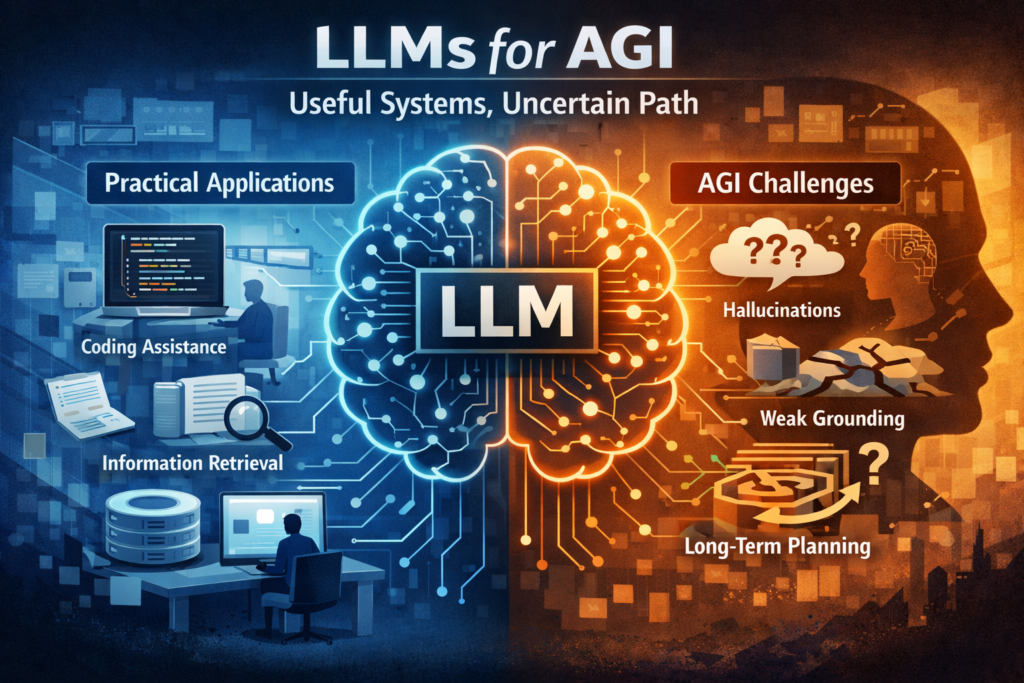
Concept illustration for LLMs for AGI showing a large language model between practical business use cases and the limits of general intelligence

Large language models may be extremely useful without being a clear path to artificial general intelligence. This article explains what today’s systems do well, where they still break down, why benchmark gains can mislead, and how to think about AI strategy without buying into AGI hype.

Read more

LLM Integration: 7 Best Python Patterns

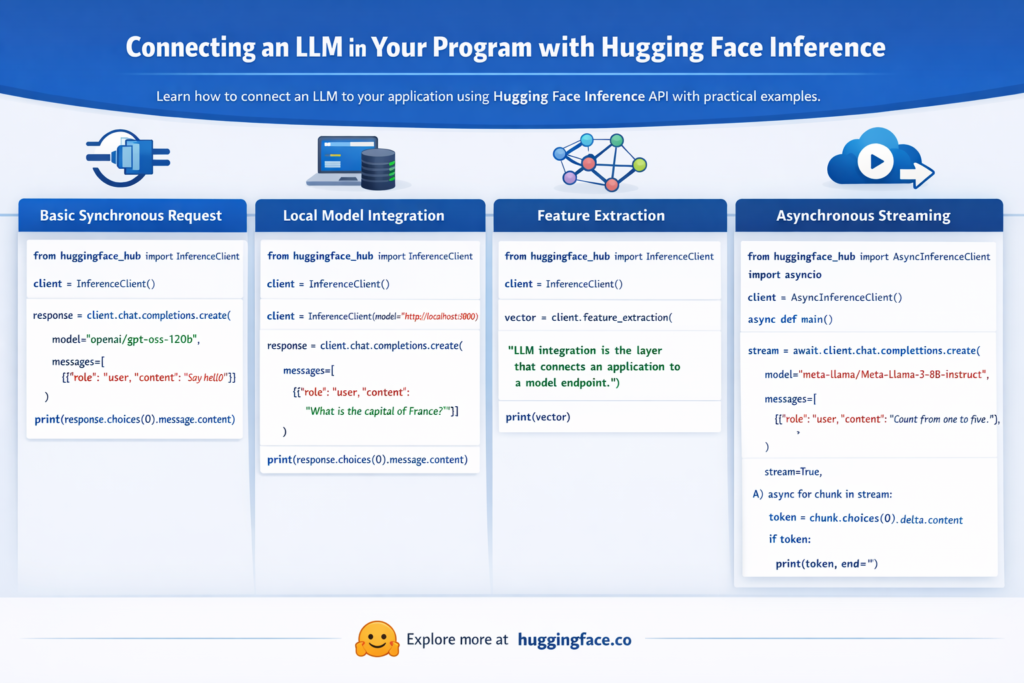
LLM integration in Python using Hugging Face Inference and API connection patterns

LLM integration is one of the most important fundamentals in modern AI development. Before you build retrieval, agents, workflows, or polished product features, you…

Read more

AI Tokens: The Essential Guide to Lower Cost

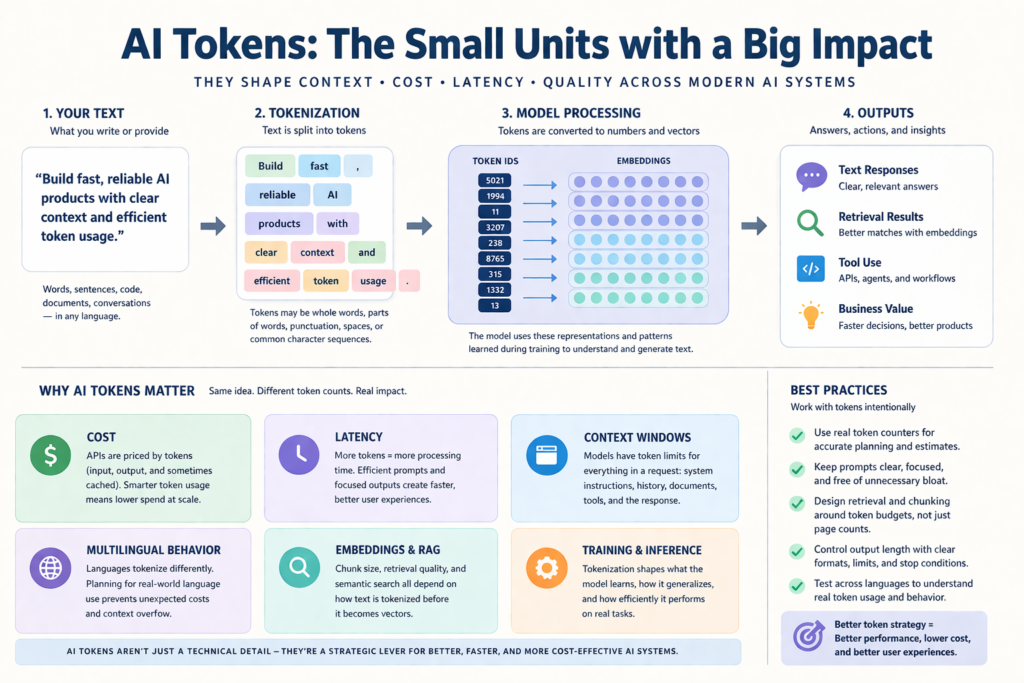
Diagram explaining AI tokens, tokenization, context windows, and model cost tradeoffs

AI tokens are the operating units behind modern language models. They affect context windows, pricing, latency, multilingual behavior, embeddings, training, inference, and the practical design tradeoffs behind real AI products.

Read more

How LLMs Work: The Definitive, Surprising Truth

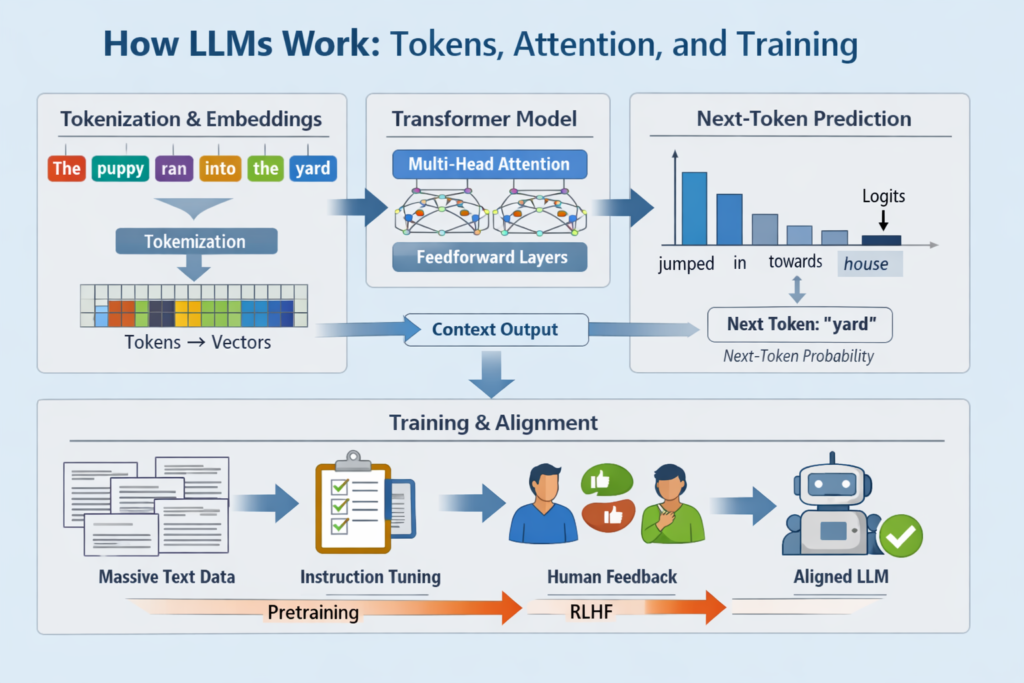
Diagram explaining how LLMs work from tokens and embeddings to attention, training, and next-token prediction

This article explains how LLMs work without hype. It traces the path from early probabilistic language models and n-grams to embeddings, tokenization, transformers, scaling laws, and post-training, showing how next-token prediction became the foundation of modern AI systems.

Read more

Retail Outlook 2026: Hard Headwinds Ahead

Retail outlook 2026 for U.S. retail leaders reviewing sales, supply chain, and margin trends

U.S. retail is still expanding, but the easy-growth era is over. Retail outlook 2026 is defined less by whether demand exists and more by whether retailers can defend margin, manage volatility, and stay relevant as costs, consumer pressure, trade risk, shrink, and channel complexity all rise at once.

Read more

AI in Retail: Smart Wins for Modern Commerce

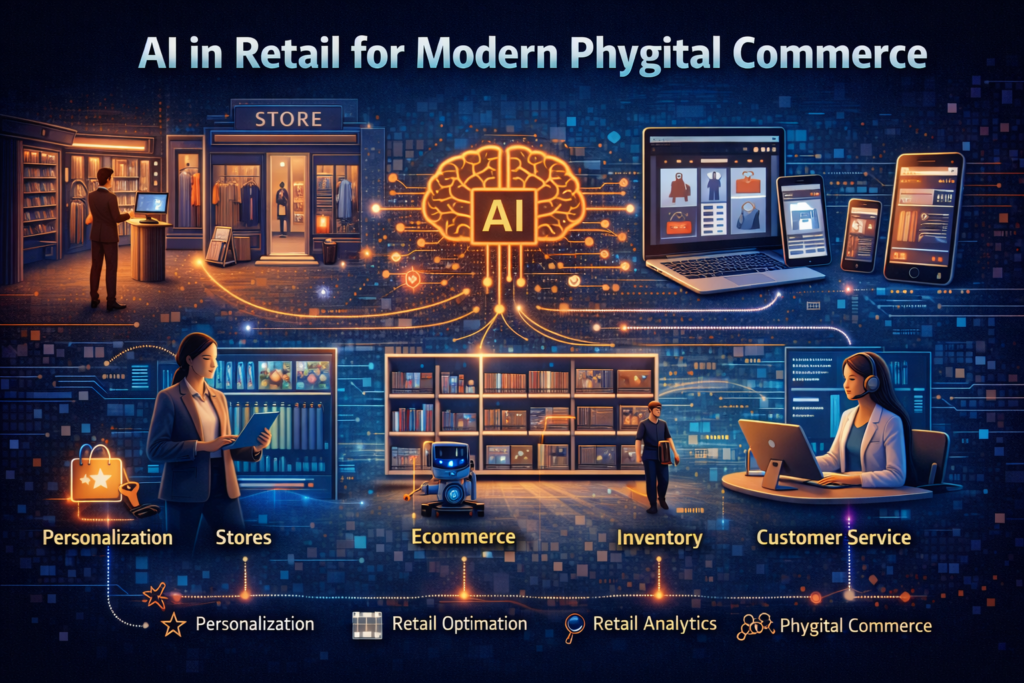
AI in retail connecting physical stores and digital channels in a phygital commerce experience

AI in retail is no longer confined to forecasting engines or back-office automation. It now sits much closer to the customer and the store, helping retailers connect physical locations, ecommerce, service, merchandising, and fulfillment into a more seamless phygital experience. This guide explains where AI is creating practical value in modern retail, where it still needs restraint, and how to deploy it without losing trust, control, or operational clarity.

Read more

Small Language Models: Smart Wins at the Edge

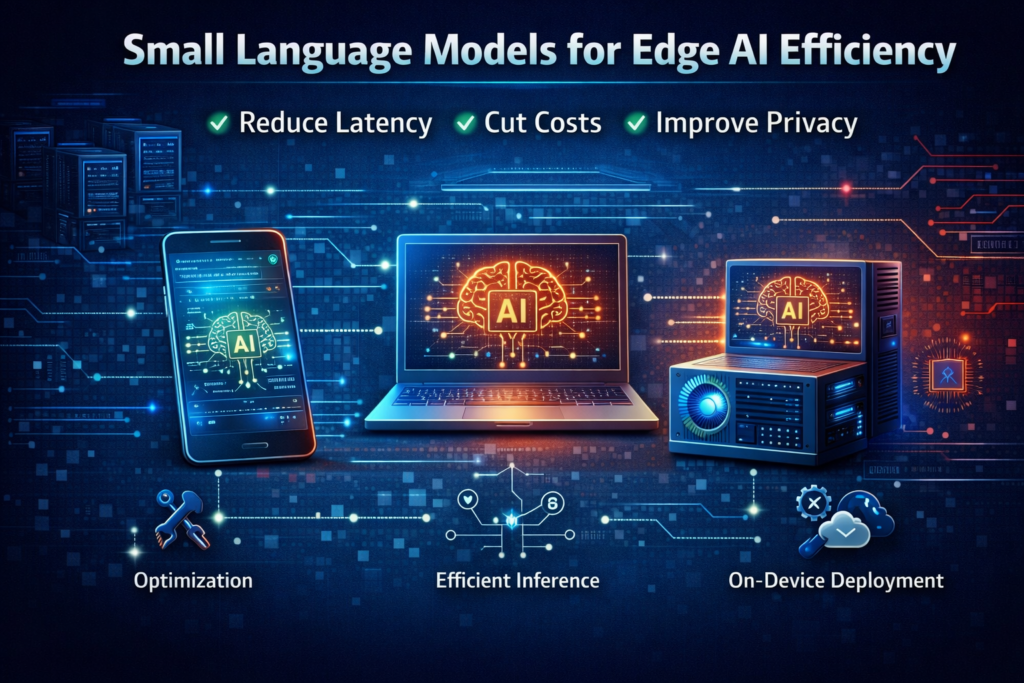
Small language models running on edge devices with efficient on-device AI inference

Small language models are becoming a practical choice for teams that need fast, private, and efficient AI on phones, laptops, embedded systems, and edge devices. This guide explains where they outperform larger cloud models, where their limits still matter, and how to deploy them responsibly.

Read more

Synthetic Data: Essential Rules for Better Training

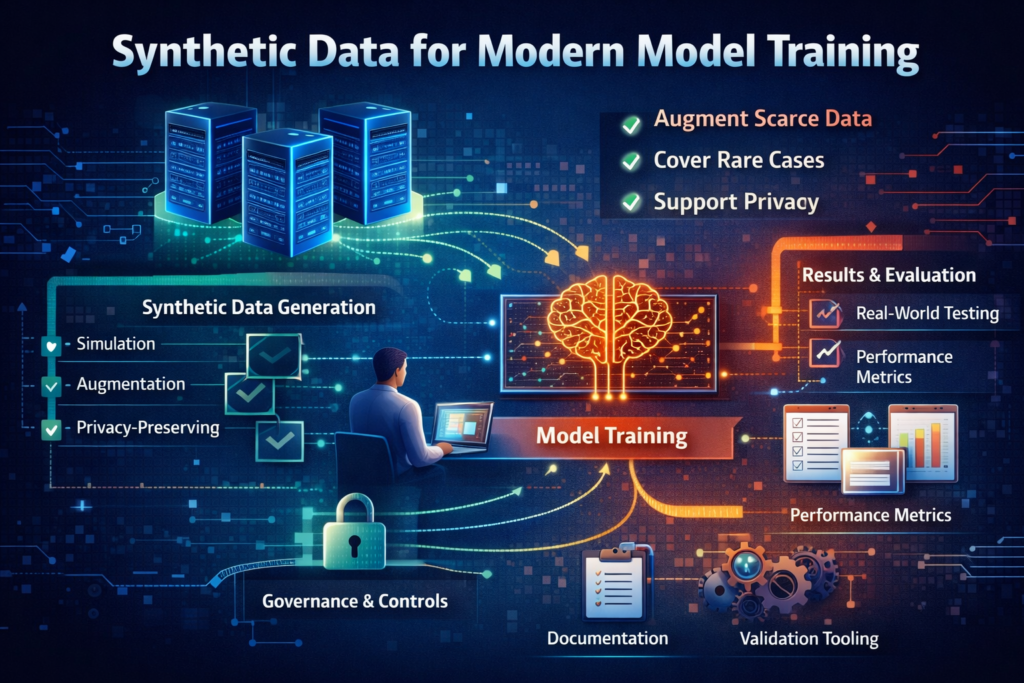
Synthetic data pipeline for model training and evaluation

Synthetic data is becoming a practical part of modern model training as teams face data scarcity, privacy constraints, and rising demand for domain-specific performance. This guide explains where synthetic data helps, where it fails, and how to use it responsibly in training, fine-tuning, and evaluation without overstating what it can do.

Read more